
By Amy S. Goldberg, MA, LPC, RPT
When preparing a therapy setting, the physical environment plays a crucial role in how a child or adolescent engages in the process.
An office may be arranged for conversation—with chairs and minimal distractions—or include an area filled with age-appropriate toys and materials that invite exploration.
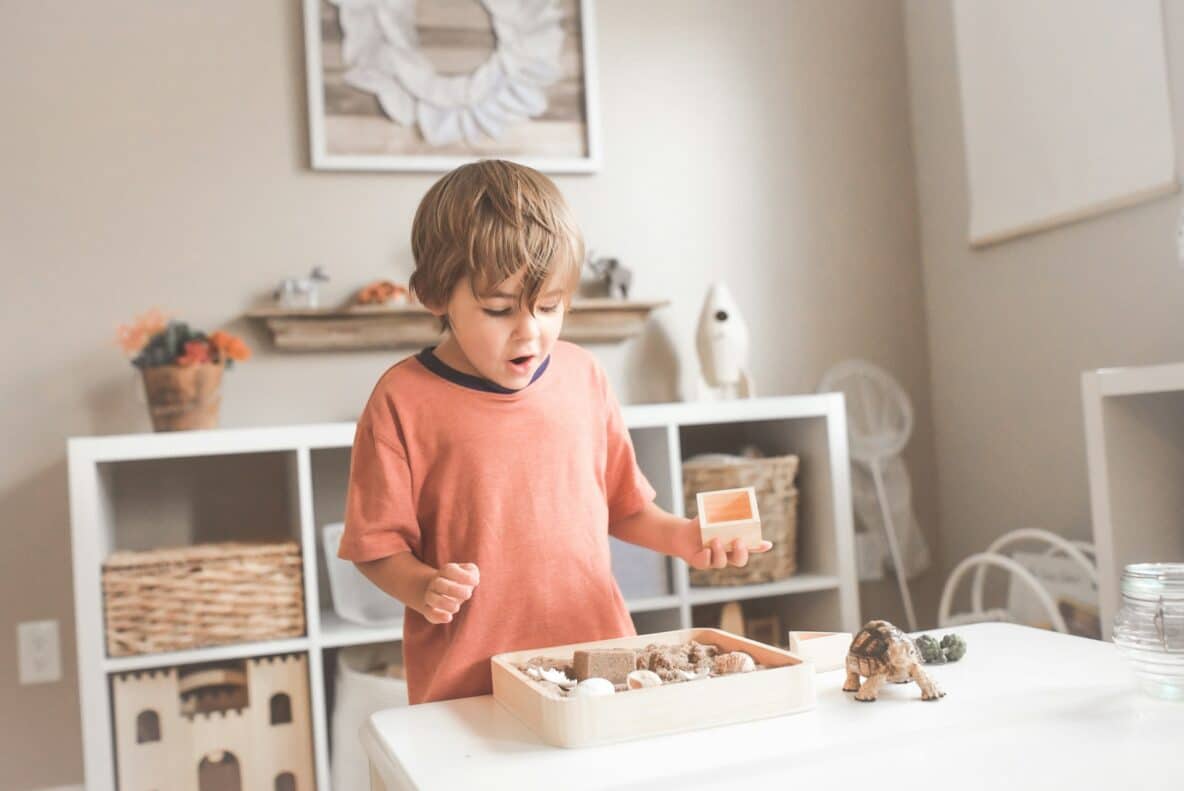
When toys and creative materials are readily accessible, the shift in engagement can be profound. Rather than waiting for children to request items or explore on their own, having play materials available from the start invites curiosity and lowers resistance. The presence of toys signals that play is welcomed, even encouraged—opening the door for children to connect in ways that feel natural and developmentally appropriate.
Expression Through Play
When given the freedom to play, children often begin to engage in symbolic or imaginative activities that reflect their inner world. Simple actions—like arranging figures in a dollhouse, building with blocks, or drawing—create opportunities for them to express thoughts and emotions that may be difficult to articulate. These spontaneous moments often serve as the entry point for deeper therapeutic work, helping children process experiences, develop coping skills, and feel seen and understood.
Creating Safety and Comfort
Walking into a room filled with toys immediately communicates to a child: This space is for you. A child who may feel anxious about meeting a new adult can find comfort in familiar, non-threatening items like blocks, dolls, or art materials. Play creates a sense of safety and predictability that allows the child to begin engaging at their own pace.
A Language Beyond Words
Children often don’t have the vocabulary or emotional insight to describe what they’re feeling. Toys provide a symbolic language. A dollhouse may become a stage where family dynamics are acted out; a sandbox can hold battles, rescues, or representations of control and chaos. Through this symbolic play, children can express complex thoughts and feelings in a developmentally appropriate way.
Shifting Power Dynamics
In traditional talk therapy, the therapist tends to guide the conversation and hold much of the control. In play therapy, the dynamic shifts. Children take the lead—choosing how to use the toys, what stories to create, and what role (if any) the therapist plays in their narrative. This autonomy is empowering, especially for children who often feel powerless in other areas of their lives.
Enhancing Connection
Play also fosters connection. A simple game of Jenga or Uno may not look like therapy, but shared activities like these help build trust and rapport. For many children, therapy becomes less about “talking to someone” and more about “playing with someone who understands.” That sense of relational safety is the foundation for deeper emotional work.
Insight Through Observation
Toys also offer therapists a window into a child’s internal experience. The way a child plays—the themes they revisit, the roles they assign, the toys they favor—can provide valuable insights into their emotions, relationships, and challenges. These observations often guide the therapeutic process more effectively than conversation alone.
Closing Thought
Toys are not simply accessories in a therapy room; they are powerful tools that foster connection, communication, and healing. They transform a clinical space into one that feels safe, creative, and child-centered. For children, therapy becomes not just a place to talk—but a place to discover, express, and grow.
Amy S. Goldberg, MA, LPC, RPT is a Registered Play Therapist and Psychotherapist at Mindful Power, LLC.